


The psychology behind why we gamble Exploring the thrill and temptation
The allure of risk-taking
Gambling taps into the human instinct for risk-taking, offering an adrenaline rush that many find irresistible. This thrill comes from the uncertainty of outcomes and the potential for reward, as those drawn to the world of online crypto casinos often experience. The excitement of placing a bet and waiting for the results creates a heightened emotional state that can be exhilarating. The desire to experience this rush often overshadows the understanding of the risks involved.

This thrill-seeking behavior is rooted in our psychological makeup. The brain’s reward system is activated during gambling, releasing dopamine, a neurotransmitter associated with pleasure. This biochemical reaction encourages individuals to engage in gambling repeatedly, as the brain learns to associate risk with reward, perpetuating the cycle of gambling behavior.
The psychological triggers
Various psychological factors contribute to why people gamble, including the illusion of control and cognitive biases. Many gamblers believe they can influence the outcome through their actions, such as choosing specific numbers or strategies. This illusion fuels their persistence, making them more likely to continue gambling despite losses.
Additionally, cognitive biases such as the gambler’s fallacy—the belief that past events influence future outcomes—can significantly impact decision-making. Gamblers often think that a win is due after a series of losses, leading them to chase their losses in hopes of recovering what they have lost. This cycle can escalate quickly, trapping individuals in a pattern of compulsive gambling.
The social aspect of gambling
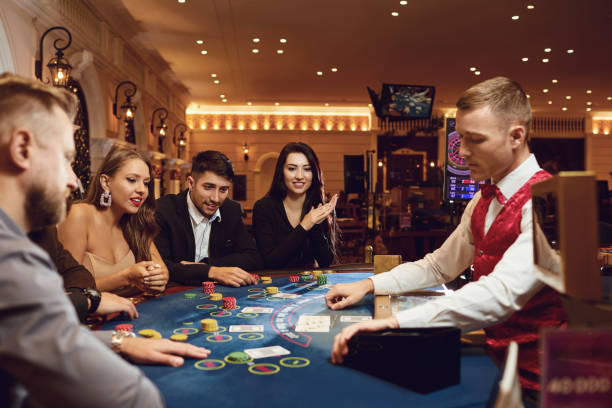
Gambling is frequently a social activity, providing opportunities for interaction and connection. Whether in a bustling casino or through online platforms, the communal atmosphere can enhance the experience. This social component can create a sense of belonging, which is particularly appealing for individuals seeking camaraderie or a break from their daily routines.
Moreover, group dynamics can amplify the excitement of gambling. Friends and family members can influence each other’s behavior, leading to increased participation. The shared experience of winning or losing can strengthen relationships but may also encourage riskier behaviors as individuals aim to impress or keep up with their peers.
The impact of marketing and environment
The gambling industry employs sophisticated marketing strategies that exploit psychological principles to attract customers. Colors, sounds, and lighting in casinos are meticulously designed to create an atmosphere of excitement and urgency. This sensory stimulation keeps players engaged and encourages them to spend more time and money.
Online gambling platforms also utilize targeted advertising and gamification techniques to draw users in. Features such as bonuses, rewards, and interactive elements create a compelling environment that capitalizes on the thrill of gambling. As a result, individuals may find themselves lured into gambling more frequently than they initially intended, often leading to unhealthy habits.
Understanding responsible gambling
As gambling can lead to significant financial and emotional consequences, it’s essential to promote responsible gambling practices. Awareness of the psychological factors driving gambling behavior is crucial for individuals to make informed decisions. Understanding the triggers, risks, and potential consequences can empower gamblers to set limits and seek help when needed.
Websites dedicated to responsible gambling often provide resources, support, and tools to help individuals manage their gambling habits. Such platforms prioritize user security and education, ensuring that individuals can enjoy gambling as a form of entertainment rather than a destructive behavior. By fostering a safe gambling environment, these resources play a vital role in mitigating the risks associated with gambling.